
When Markets Panic, Memory is the First Casualty
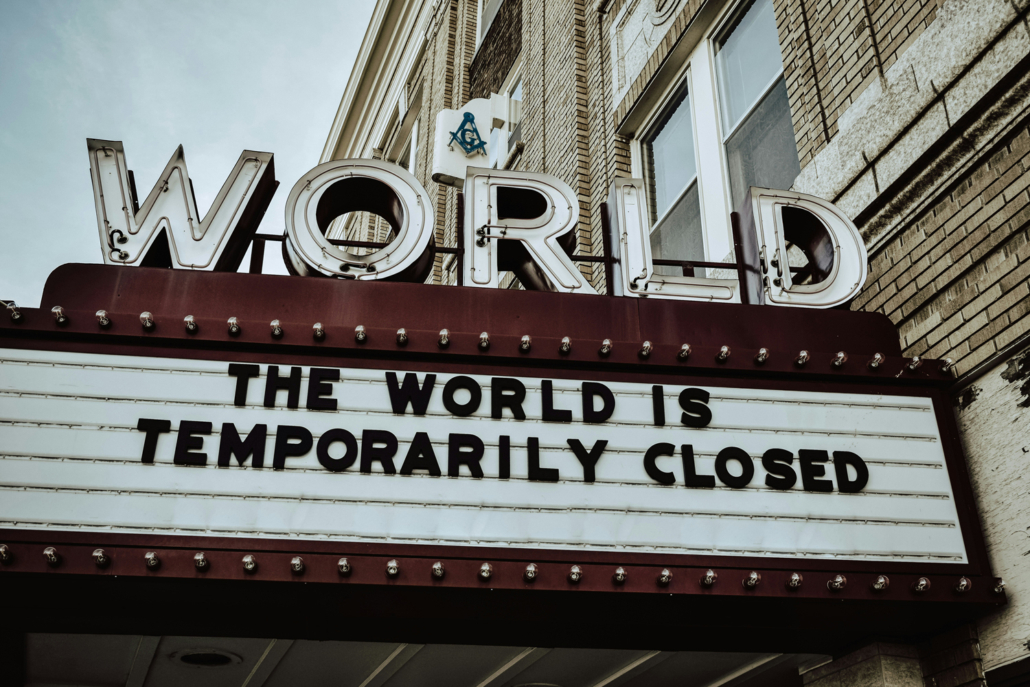
There is a curious trait built into human nature: When something is painful, frightening or deeply disorienting, we don’t just want it to end — we want to forget it ever happened.
COVID fits that description perfectly. For more than a year, routines vanished, businesses closed, gatherings stopped and fear became default. As life slowly resumed in the following months and years, most of us packed those memories away. Not consciously, but instinctively. It’s human nature to avoid painful memories.
That instinct may be therapeutic in daily life, but in investing it can be dangerous and costly.
Six short years ago, in February of 2020, the world froze: Commerce stopped, travel halted and schools and offices closed. There was no modern precedent for anything of this magnitude. Shutting down the global economy genuinely felt like something new.
Markets reacted accordingly. In just 33 calendar days, the S&P500 fell roughly 34 percent — the fastest decline of that magnitude since 1929. Retirement balances dropped sharply, and savings — accumulated with discipline over decades — suddenly felt fragile. Investors weren’t asking about valuations or diversification but whether the system itself would hold.
In moments like that, one phrase reliably surfaces: “This time is different.”
This most dangerous phrase in investing sounds intelligent, contextual, even prudent. But most times, it is flat wrong.
Every crisis differs in its cause. COVID looked nothing like the financial crisis of 2008 which looked nothing like the dot-com collapse. That looked nothing like 1987. Each time, the headlines are unique and the narratives extreme, but the pattern is remarkably consistent.
Fear overwhelms reason. As predictability disappears, prices fall faster than underlying business fundamentals. Investors sell to regain a sense of control (and comfort). And then — often sooner than expected — recovery begins.
That is exactly what happened in 2020.
Do you remember where you were six years ago? Do you recall the emotions you experienced? The conclusions your mind led you to because of what was happening in the world? Revisit that for a moment and try to remember.
On a national level, policymakers responded with historic speed. Stimulative measures restored liquidity in areas of concern. The recession that was widely feared to be endless lasted barely three months. Markets turned almost on a dime, and within months, prices recovered. Within six months — less one day — the market reached new highs. Despite a temporary and painful decline in 2022 tied to inflation and rising interest rates, markets have since more than doubled from their pre-COVID peak.
That statement would have sounded absurd to anyone watching the news in March of 2020. And yet, emotionally, most investors do not remember that sequence. Not in a way that shapes decisions today, anyway. When markets fall sharply now, the language is familiar: “This time is different.” “The system is broken.” “The risk is unprecedented.”
Memory fades, and emotion returns.
The tragedy is not that crises that occurs; those are inevitable. The tragedy is that investors repeatedly forget how they end.
There is another four-word phrase that carries far more wisdom than “this time is different.”
This too shall pass.
Downturns and losses will always feel scary, but enduring businesses — and the economic systems that support them — have repeatedly proven more resilient than our fears.
Markets do not require optimism to recover; they require time.
The next crisis won’t look like COVID. It will not announce itself politely. Instead it will thunder in with its own convincing logic and terrifying narrative. And in the moment, it will feel unique.
But history encourages us to remember that volatility is normal and should be expected. Panic is temporary. Selling in fear often locks in losses just before recovery begins.
Memory matters more than forecasts.
Investors who vividly remember March of 2020 — not just as a news event, but as a lived financial experience — are better equipped for what comes next. They understand that prices can fall rapidly and recover unexpectedly. They know that abandoning a sound plan in moments of fear is usually the most expensive mistake an investor can make.
COVID was one of the most profound stress tests of the last century. It revealed how fragile confidence can be and how quickly fear can spread. It also demonstrated, yet again, the extraordinary capacity of markets to adapt and recover. To let that lesson fade would be a mistake.
Improving investor behavior is about preparing yourself to endure the next storm without abandoning your plan. Crises will come, and markets will temporarily fall. Fear will feel rational. Before that time arrives, ensure you have a plan that makes sense for you and is built to weather the weather.
When that moment arrives — and it will — the investors who remember will be the ones who endure. Because while every crisis feels different, the ending has been remarkably consistent.
This too shall pass.

Steve Booren is the Owner and Founder of Prosperion Financial Advisors, located in Greenwood Village, Colo. He is the author of Blind Spots: The Mental Mistakes Investors Make and Intelligent Investing: Your Guide to a Growing Retirement Income and a regular columnist in The Denver Post. He was recently named a Barron’s Top Financial Advisor and recognized as a Forbes Top Wealth Advisor in Colorado.