
The Underestimated Orchard
The one force in finance that remains stubbornly misunderstood is compounding. Human brains have evolved to understand straight lines, not curves. We grasp addition and subtraction, but our intuition breaks down around exponential growth. We expect the world to follow a ruler, but compounding moves like a spiral. And given enough time, that spiral becomes a powerful engine of prosperity.
Every spring, Warren Buffett celebrates what I like to call “Coca-Cola Dividend Day.” Berkshire Hathaway owns about 400 million shares of Coca-Cola. Each year, that sends roughly $816 million in cash their way via a dividend. That’s about $2.2 million per day, $93,000 per hour, or $26 per second. Those shares weren’t bought at anywhere near today’s prices. Berkshire purchased them between 1988 and 1994 for roughly $1.3 billion, or about $3.25 per share. Today, Coca-Cola pays an annual dividend of $1.94 per share, giving Buffett a 62% yield on cost. To put it simply: Every two years, the dividend alone repays Berkshire’s entire original investment — all while their shares sit untouched, growing in value.
Over time, Berkshire has collected nearly $12 billion in dividends on that $1.3 billion investment. The stock itself is now worth around $26 billion — a more than twentyfold gain, not counting their ongoing dividend payouts.
This is why Buffett famously says his favorite holding period is “forever.” Ownership pays, even when the stock market doesn’t cooperate. If Wall Street shut down for a decade, Berkshire would continue collecting dividends, just as farmers collect harvests with or without markets. That’s what it means to be a shareholder: You own a piece of a real business serving real people, producing real profits, and sending you real cash, quarter after quarter.
Now let’s refocus this idea onto everyday life. Imagine you retired in 1985 with a paid-off home and $100,000 invested in the S&P 500. That first year, you collected about $4,000 in dividends — meaningful but not extraordinary — and spent it on life, travel and groceries while letting the principal quietly compound.
Fast forward to 2025. That same portfolio is now worth more than $3.2 million. Your yearly dividends? Roughly $37,000, nearly 10 times the initial payout. Here’s the part most people never grasp: 97% of that growth occurred in the second half of the journey.
Compounding whispers at first and shouts later. The early years feel slow and disappointing. Then suddenly, the exponential curve turns upward, and growth becomes unmistakable.
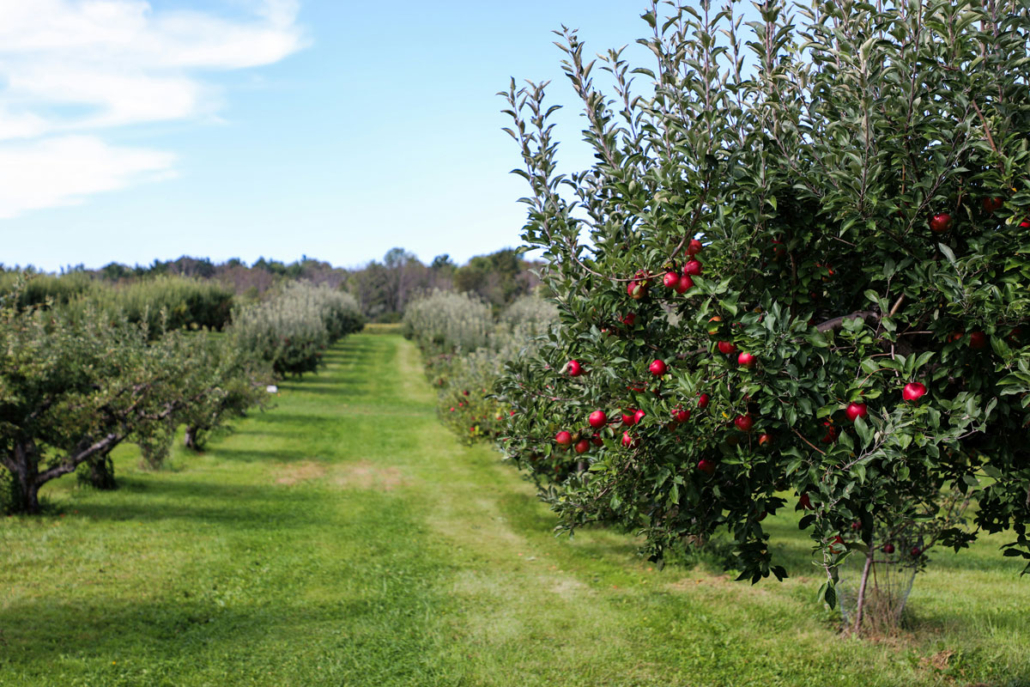
It’s like planting an orchard. Initially, your trees look small and the harvests tiny. But every year, the trees strengthen and produce more fruit. Eventually, you harvest more than you could ever consume. The rule remains simple: Never eat the trees; instead, live off the fruit. The retiree who spends dividends but leaves principal untouched often ends up with abundant “shade, shelter and fruit.” The retiree who “chops down trees” to fund their lifestyle eventually runs out of fruit, trees and options.
Wise investor behavior begins with understanding that wealth is not to be consumed but stewarded. We believe dividend-paying companies are among the best stewards of capital. They produce goods and services people use every day — soap, soda, medicine, electricity — while sharing profits with investors. These companies often grow earnings along with dividends. That rising income protects your purchasing power, quietly defending against the greatest long-term threat in retirement: inflation.
Inflation doesn’t just raise prices; it erodes freedom. A paycheck that rises faster than inflation expands freedom, whereas a fixed income shrinks it.
Dividend growth raises owners’ pay without Monday meetings or annual performance reviews. Coca-Cola has raised its dividend at an average rate of about 4–5% per year over the past decade — modest, but higher than many workers’ raises over the same period — while Buffett (and other shareholders) didn’t need to lift a finger for it. Ownership did the work.
Retirees often think “enjoying their money” means spending down principal. But principal is the orchard while income is the harvest. If you own productive assets, they’ll continue working for you — producing, earning and distributing whether you’re watching the markets or not. Instead of liquidating wealth, you’ll be participating in it.
Buffett didn’t become the world’s most respected investor by finding the next big thing. Instead, he held good things long enough for compounding to reveal its magic. As he puts it, “Time is the friend of the wonderful business, the enemy of the mediocre.”
A wonderful business compounds internally by growing earnings and dividends, buying back shares, and reinvesting wisely. Hold long enough, and the math becomes unstoppable. With Coca-Cola, more than thirty years of patient ownership turned a billion-dollar investment into tens of billions — while delivering a stream of income. That’s not speculation; it’s stewardship.
You don’t need to be Warren Buffett to put exponential growth to work. The concept is the same: compounding works for those who give it time. Buffett’s dividends are the harvest of seeds planted decades ago. A retiree’s growing income from a sensible dividend strategy operates on a similar but smaller scale. So next time you see that familiar red Coca-Cola label, think beyond the beverage. Consider an orchard planted long ago that still produces fruit — slowly growing while rewarding its owner’s patience.
That’s what improving investor behavior looks like: quietly planting, patiently tending, and one day, gratefully harvesting.

Steve Booren is the Owner and Founder of Prosperion Financial Advisors, located in Greenwood Village, Colo. He is the author of Blind Spots: The Mental Mistakes Investors Make and Intelligent Investing: Your Guide to a Growing Retirement Income and a regular columnist in The Denver Post. He was recently named a Barron’s Top Financial Advisor and recognized as a Forbes Top Wealth Advisor in Colorado.