
Looking Forward with the Perspective of the Past 50 Years
January 2026 marks the start of this century’s “Q2” — that is, we’re entering the second quarter of the 2000s. Zooming out on a timeline that sizeable can feel weird, especially if you’re like me and still think the 80s were only 20 years ago. With that in mind, milestones of this magnitude offer a welcome opportunity for a rare thing: perspective.
Most people reading this column — whether early in their careers or well into retirement — have had their entire financial lives shaped by the events between 1975 and 2025. And yet almost none of us were taught to study that period carefully. Instead, we’ve been conditioned by markets, media and our own wiring to obsess over what’s happening today and what might come next.
Such a short-term obsession is the enemy of good investor behavior.
If investors had a longer memory, they would worry less, trade less and likely do far better. So before looking ahead, it’s worth reflecting on the events of the last five decades and why humility, not prediction, remains the right posture for whatever comes next.
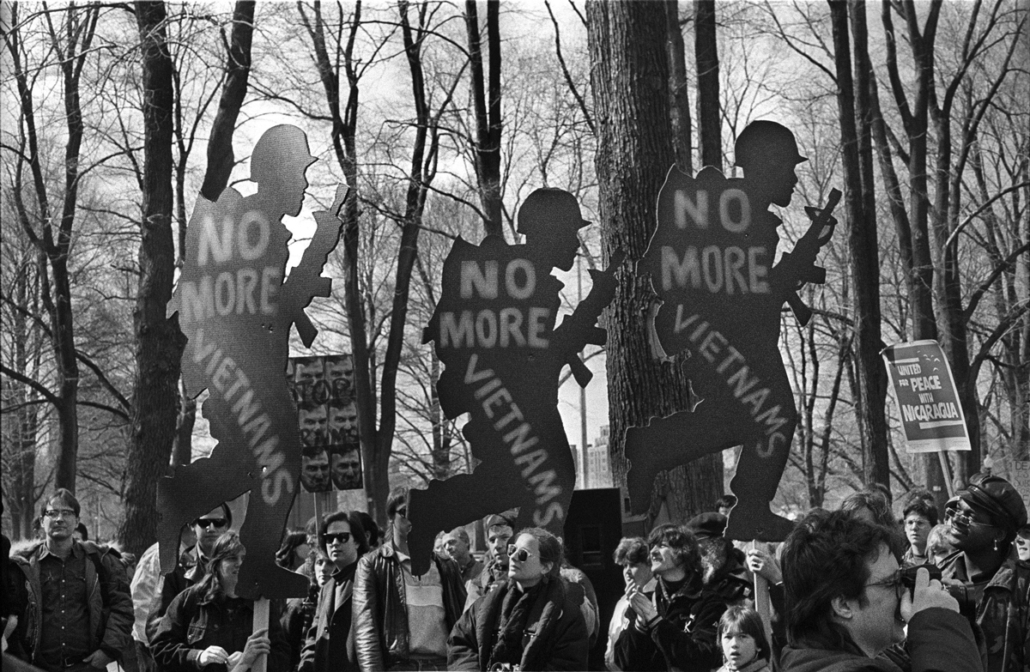
Let’s go way back to 1975. The Vietnam War ended in chaos. Inflation was high. Trust in institutions was low. The S&P 500 finished the year below 100. Roughly half the world’s population lived in extreme poverty. Confidence in the future was scarce.
Fast-forward 50 years.
By 2025, the global population had roughly doubled, yet extreme poverty collapsed from nearly one person in two to about one in ten (according to date from the UN). The U.S. population grew by roughly 60% while real GDP more than quadrupled. Real GDP per capita climbed from around $28,000 to nearly $70,000 according the BEA.
Meanwhile, corporate America compounded quietly in the background. Earnings grew more than 35-fold. Dividends grew more than 20-fold. Even after accounting for a sixfold rise in consumer prices, the S&P 500 increased nearly 75 times from its 1970s trough according to data from NYU.
That growth didn’t happen in a single day, and it sure wasn’t reported on the news. It was the cumulative effect of innovation, capital and time working together. And it all happened while investors lived through oil shocks, recessions, inflation, Black Monday, the savings and loan crisis, the dot-com bust, 9/11, the global financial crisis, a global pandemic, wars, political upheaval and more “once-in-a-lifetime” events than anyone can reasonably count.
Certain events may have carried more weight depending on your age and place in life, but the lesson remained the same: At every stage, fear felt justified. And at every stage, the most common mistake was assuming the present would define the future.
For investors in the accumulation phase, time is their greatest advantage — and the one most often wasted. The temptation is always to react: to trade, to adjust, to outsmart uncertainty. But wealth accumulation has never required brilliance. It has required steady saving, ownership of productive assets, and the patience to endure discomfort without abandoning a sound plan.
The last 50 years show clearly that markets reward participation, not clairvoyance.
For investors in retirement, their challenge may change shape, but not substance. The enemy becomes a fear of loss. Many retirees under-invest because they assume danger is everywhere and opportunity is gone.
History suggests otherwise.
Even in retirement, capital must continue to work. Income must continue to grow. A portfolio built solely for “safety” often becomes unsafe in a quieter, more damaging way — by slowly eroding via the loss of purchasing power. Longevity makes this unavoidable. A 65-year-old couple today has a meaningful chance of one spouse living into their mid-90s. That lengthy horizon requires growth, humility and a plan designed for the long haul.
When we strip away the noise, two forces quietly underwrote the last half-century of progress: One, wherever incentives rewarded productivity and innovation, living standards rose. And two, exponential advances in information and technology built the bedrock for growth. These forces didn’t eliminate recessions or mistakes; they simply overwhelmed them over time.
As we look toward 2050, humility becomes essential. The future will not unfold the way pundits expect. It never does. Investors don’t need bold predictions to succeed. They need discipline. A reliable investment approach has always been simple and unfashionable: Own productive assets, diversify, reinvest income, manage risk thoughtfully and give compounding the time it demands.
The great irony is that investors’ biggest threat over the next 25 years won’t be markets, technology or geopolitics. It will be behavior.
Headlines will grow louder. Volatility will feel personal. Fear will always sound reasonable in the moment. The investors who do best will not be the most informed. They will be the most disciplined. They will remember where we’ve been while retaining the humility to stay the course.
That’s how investor behavior improves—not by predicting the future, but by learning from the past.

Steve Booren is the Owner and Founder of Prosperion Financial Advisors, located in Greenwood Village, Colo. He is the author of Blind Spots: The Mental Mistakes Investors Make and Intelligent Investing: Your Guide to a Growing Retirement Income and a regular columnist in The Denver Post. He was recently named a Barron’s Top Financial Advisor and recognized as a Forbes Top Wealth Advisor in Colorado.